


Undergoing breast augmentation is a personal decision that can have a lasting impact on your confidence and self-image. Whether you’re considering the procedure or preparing for it, knowing what to expect after breast implant surgery can help ease your mind and set realistic expectations for the recovery process.
This article aims to walk you through the various phases of breast augmentation recovery, from the first few hours post-surgery to the weeks that follow. We’ll also highlight common symptoms, healing milestones, and tips for a comfortable recovery, so you feel informed and empowered throughout the journey.
The First Day: Waking Up After Surgery
You’ll Be Groggy and Tired
Immediately after your breast implant surgery, you’ll likely feel groggy due to the general anesthesia used during the procedure. Most patients spend a few hours in the recovery room under observation before being discharged. You’ll need someone to drive you home and stay with you for the first 24 to 48 hours.
Pain and Discomfort Are Normal
You may experience moderate pain and discomfort, tightness across the chest muscles, and pressure in your breast tissue. Your plastic surgeon will typically prescribe pain medication to help manage this. It’s also common to feel sleepy or nauseous during this initial stage, which should gradually fade.
The First Few Days: Your Body Starts to Adjust
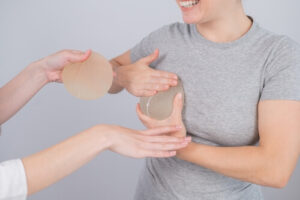
 Wear Your Surgical Bra
You’ll be instructed to wear a surgical bra or sports bra around the clock to support the breast implants and reduce swelling. This garment helps stabilize the implant position and supports the healing tissues. Avoid underwire bras, as they can irritate incision sites and compromise the healing process.
Movement Will Be Limited
Rest is essential, but complete bed rest is neither necessary nor ideal. Most surgeons recommend gentle movements, like short walks, to maintain blood flow and reduce the risk of blood clots. Avoid raising your arms above your shoulders or making sudden, strenuous movements.
Sleep With Your Upper Body Elevated
To minimize complications and reduce swelling, sleep with your upper body slightly elevated using pillows or a reclining chair. This position promotes circulation and helps your body heal efficiently.
The First Week: Healing Picks Up Pace
Bruising and Swelling May Increase
It’s completely normal for bruising and swelling to peak around day three to five. The breasts may appear larger or sit higher than expected. Don’t worry – this is temporary and part of the natural healing process.
Scar Tissue Begins to Form
As your body heals, it begins to form scar tissue around the implant. In some cases, excessive scar tissue can lead to capsular contracture, which may require more surgery. Following your surgeon’s instructions and attending follow-ups are crucial for early detection.
You’ll Attend Your First Follow-Up Appointment
Your first follow-up appointment typically occurs within 5 to 7 days after surgery. Your surgeon will check your incision sites, ensure your breast shape is progressing well, and address any concerns. Be honest about how you’re feeling, especially if you’re experiencing unusual symptoms such as excessive pain, redness, or fever.
Weeks Two to Four: Getting Back to Normal
Return to Light Daily Activities
By the two-week mark, many patients can resume light household tasks and desk jobs. However, if you have a physically demanding job, you might need extra time off. Avoid heavy lifting, intense cardio, and upper body workouts until cleared by your doctor.
The Implants Start to Settle
During this stage, your silicone breast implants begin to drop into a more natural position. This process, known as “dropping and fluffing,” can take several weeks or even months, depending on your body’s response and breast implant size.
Continue Wearing a Supportive Bra
Stick to wearing a sports bra or surgical bra to support your chest wall and assist with implant stabilization. Do not switch to regular bras until your plastic surgeon gives the go-ahead.
One Month and Beyond: Long-Term Healing and Care
Start Feeling Like Yourself Again
Most patients begin to feel significantly better around the fourth week. At this point, normal activities can be resumed gradually. Continue listening to your body and avoid overexertion.
Scar Management
Scarring will depend on your breast augmentation procedures, skin type, and genetics. You may use topical scar creams or silicone sheets as recommended by your surgeon to help fade the appearance of scars over time.
Watch for Signs of Complications
Be mindful of symptoms such as persistent chest pain, excessive swelling, or changes in breast shape. These could be signs of breast implant rupture, infection, or rare conditions like breast implant illness. Regular follow-ups and good communication with your care team help ensure smooth recovery and minimize complications.
Lifestyle Tips to Support Healing
Prioritize Nutrition
A balanced diet rich in lean proteins, fruits, vegetables, and whole grains can strengthen your immune system and promote tissue regeneration. Proper hydration is also vital in the post-surgery phase.
Avoid Smoking and Alcohol
Smoking can delay healing and increase the risk of infection. Alcohol may interact with your pain medications and also interfere with the healing process. It’s best to avoid both until fully recovered.
Embrace Gentle Walks
Once you’re cleared for movement, gentle walks are an excellent way to stay active without straining your body. Walking boosts circulation and helps reduce swelling naturally.
Emotional Recovery: It’s Not Just Physical
Body Image Takes Time
It’s natural to experience a mix of emotions after breast surgery. Your breast size and shape will change gradually as swelling subsides and the implant position settles. Some patients feel ecstatic, while others may need time to adjust to their new body image. Be patient and kind to yourself during this transition.
Stay in Touch With Your Surgeon
Keeping all scheduled follow-ups and maintaining open communication with your plastic surgeon is one of the best ways to identify any issues early. These visits are also a great opportunity to discuss future options, such as a breast lift or implant adjustments if needed.
When to Seek Immediate Medical Attention
While most breast augmentation recoveries are straightforward, be alert for: 
- Intense, worsening pain not relieved by pain management
- Excessive redness, swelling, or warmth in the incision sites
- Pus or foul-smelling drainage
- High fever or chills
- Sudden change in breast shape or symmetry
- Shortness of breath or chest tightness (could indicate blood clots)
If any of these occur, contact your care provider immediately or go to the nearest emergency facility.
Final Thoughts
Knowing what to expect after breast implant surgery can help you feel prepared and confident in your decision. The healing process varies for each person, but with proper post-operative care, a focus on health, and attention to your surgeon’s guidance, your recovery experience can be safe and rewarding. Whether you’ve chosen silicone gel implants, saline-filled ones with sterile salt water, or are combining implants with a breast lift, your journey toward a more confident you begins with informed choices and realistic expectations.
Always follow your surgeon’s instructions, avoid strenuous activities in the weeks leading up to full recovery, and don’t hesitate to ask questions during any phase of your healing. A little patience and care go a long way in achieving the best outcome from your breast augmentation surgery.
References:
https://www.plasticsurgery.org/news/articles/what-to-expect-after-your-breast-augmentation-surgery
https://myhealth.alberta.ca/Health/aftercareinformation/pages/conditions.aspx?hwid=tw12671
https://www.mayoclinic.org/tests-procedures/breast-augmentation/about/pac-20393178
https://my.clevelandclinic.org/health/treatments/11024-breast-augmentation