


Metal steel fabrication is vital in various industries, including dentistry, by crafting reliable solutions for accurate, durable, and hygienic dental instruments and equipment. Through processes like sheet metal fabrication, laser cutting, welding, and precision assembly, metal fabrication companies in Melbourne can produce high-quality tools that support dental professionals in delivering precise treatments. This article delves into how metal steel fabrication enriches dental procedures, exploring the fabrication process, types of raw materials used, and the role of steel fabricators in creating tools that shape the future of dental care.
The Significance of Metal Steel Fabrication in Dentistry
Precision, durability, and hygiene are of the utmost importance in dentistry. Dental professionals rely on tools that withstand repeated use and rigorous sterilization. Metal steel fabrication ensures dental instruments meet these standards by creating equipment through advanced fabrication processes like sheet metal fabrication, welding, and laser cutting. Using raw materials such as stainless steel and other types of structural steel, fabrication services help shape metal into reliable tools with desired forms, adding tremendous value to dentistry.
Steel fabricators use sheet metal and other raw steel forms to create everything from simple dental picks to complex equipment like dental chairs. Metal fabrication companies meet the unique demands of dental professionals and contribute to better patient care by providing tools that enhance accuracy and comfort.
The Fabrication Process: Creating Reliable Dental Tools
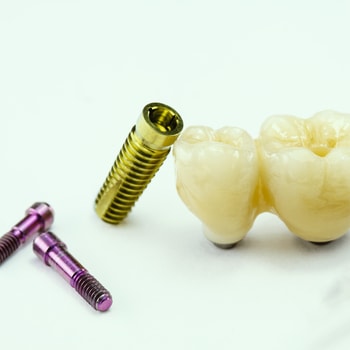 The fabrication process for dental instruments involves multiple stages, each critical to creating high-quality metal parts. The process starts with selecting the right raw materials, typically high-grade stainless steel, due to its corrosion resistance, durability, and ease of sterilization. Stainless steel is especially suitable for dental instruments that come into direct contact with patients, as it can withstand rigorous cleaning without degrading over time.
- Cutting and Shaping Metal: In the initial stages, metal fabrication companies use various methods, such as laser cutting, waterjet cutting, and press brakes, to cut and shape metal. Laser cutting technology, in particular, allows for precise cutting, essential for creating detailed instruments with intricate designs. These methods help shape metal into the desired form, whether flat metal for trays or expanded metal for specialized tools.
- Metal Forming and Welding: Once the metal is cut, it goes through metal forming processes to be shaped into specific components. Welding wire is often used in this stage to join pieces securely, ensuring they meet the strict quality control standards required in the metal fabrication industry. This step is crucial, especially for tools requiring seamless and sturdy construction, like dental mirrors and picks, as it ensures the tools remain intact under pressure.
- Assembling Processes: Combining processes combine steel components to create complete dental instruments. These processes involve a meticulous approach to ensure that each tool meets precise specifications, allowing dental professionals to rely on them for consistent performance. Steel fabricators work with plate and sectional metal to assemble complex instruments like forceps, ensuring they are ergonomic and easy to use.
- Powder Coating and Finishing: Powder coating is applied to tools that require enhanced durability or specific surface properties. It not only adds a layer of protection against corrosion but also creates a smooth, easy-to-clean surface. This step is vital in maintaining the hygienic standards necessary in the dental field.
- Quality Control: Quality control measures are in place throughout the entire process to ensure each instrument meets the required standards. Metal fabrication companies use cutting-edge technology and quality assurance practices to inspect each piece, ensuring it is free of defects and ready for dental applications.
Key Materials in Metal Steel Fabrication for Dentistry
The choice of materials in metal steel fabrication impacts the final product’s performance, durability, and compatibility with medical standards. Stainless steel is used for many dental tools because it resists rust and maintains a clean, professional appearance. It also offers strength, essential for tools that can withstand pressure without bending or breaking.
Sheet metal, flat metal, and expanded metal are all commonly used materials in the fabrication of dental equipment. These materials provide flexibility in creating simple and complex shapes, especially useful for producing tools with specific curvatures and angles. Raw steel, processed through sustainable manufacturing practices, contributes to the durability and longevity of dental instruments, ensuring they can be used repeatedly with minimal wear.
How Technological Innovations are Transforming Dental Instrument Fabrication
Technological innovation has revolutionized the metal fabrication industry, allowing for the production of more precise, durable, and sophisticated dental instruments. Laser cutting and waterjet cutting are prime advancements that have enhanced the quality and accuracy of dental tools. These technologies enable fabricators to create intricate designs that would be challenging with traditional cutting methods, supporting the development of more specialized and reliable dental instruments.
Additionally, automated fabrication processes and robotic assembly have improved efficiency and consistency in the production of dental tools. By minimizing human error and enhancing precision, these technologies help metal fabrication companies produce dental instruments that meet the exacting standards of the medical industry.
The Role of Metal Fabrication Companies in Dental Equipment Manufacturing
Metal fabrication companies play a central role in the production of dental equipment, offering fabrication services that ensure high-quality, reliable solutions for the dental industry. These companies work with various raw materials, including sheet metal, stainless steel, and structural steel, to create everything from examination chairs to specialized surgical tools. By employing sustainable manufacturing practices, metal fabrication companies help reduce waste and promote environmentally friendly processes, a growing priority in the healthcare industry.
Through close collaboration with dental professionals, metal fabrication companies understand the unique demands of dental procedures and strive to meet these needs with innovative solutions. The result is a range of products that enhance patient comfort, increase the efficiency of dental procedures, and ensure a high standard of hygiene.
The Impact of Metal Steel Fabrication on Dental Procedures
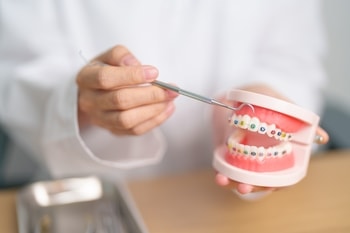 The advancements in metal steel fabrication have profoundly impacted dental procedures. From creating instruments that enable dentists to perform with greater accuracy to manufacturing ergonomic equipment that enhances patient comfort, the contributions of the metal fabrication industry are evident in every dental office. Here are some ways metal steel fabrication enhances dental care:
- Precision and Reliability: Dental instruments made through metal fabrication processes like laser cutting and welding provide precision that supports accurate procedures. Reliable tools mean fewer complications during treatments and improved patient outcomes.
- Enhanced Patient Comfort: Ergonomically designed equipment crafted through sheet metal fabrication helps patients feel more comfortable, reducing anxiety during dental visits. Comfortable examination chairs, sturdy trays, and precisely engineered tools contribute to a smoother experience.
- Hygiene and Durability: Dental tools must withstand sterilization without losing their integrity. Stainless steel and powder coating help ensure that instruments remain clean and effective over time, meeting stringent hygiene standards for patient safety.
The Future of Metal Fabrication in Dentistry
The future of metal steel fabrication in the dental industry looks promising. Ongoing technological advancements and sustainable practices will pave the way for even higher-quality instruments and equipment. Innovations like 3D printing and automated assembly will likely become more integrated into the metal fabrication industry, enabling faster, more customizable solutions for dental professionals.
As dentistry demands precision, durability, and sustainability, metal fabrication companies will likely adopt even more cutting-edge technology. By exploring new materials, refining the fabrication process, and embracing sustainable practices, steel fabricators will continue contributing to the evolution of dental care, making procedures safer and more efficient.
Conclusion
Metal steel fabrication has become indispensable in dentistry, providing the foundation for reliable, high-quality dental instruments and equipment. Through processes like sheet metal fabrication, laser cutting, and powder coating, metal fabrication companies are shaping the future of dental care by producing tools that enhance precision, comfort, and hygiene. The impact of these advancements can be seen in every dental procedure, from routine cleanings to complex surgeries, where the reliability and durability of metal-fabricated tools are essential.
With ongoing technological innovation and a commitment to sustainable manufacturing practices, metal steel fabrication will continue to play a pivotal role in improving dental procedures. By providing dental professionals with the tools they need to deliver top-notch care, the metal fabrication industry contributes to better patient experiences and more effective treatments. As we look to the future, metal steel fabrication promises to remain at the heart of dentistry, driving progress and setting new standards for dental equipment and instruments.
References
https://www.researchgate.net/publication/376349848_Dental_Equipment_A_Factor_for_Competitiveness_of_Dental_Practice
https://pmc.ncbi.nlm.nih.gov/articles/PMC8367586/
https://www.nature.com/subjects/dental-equipment