


Why No Dairy After Tooth Extraction? Understanding the Role of Diet in Oral Surgery Recovery
Tooth extraction is a common dental procedure that can arise from various needs, such as tooth decay, gum disease, or preparing the mouth for orthodontic treatment. After having a tooth extracted, the healing process becomes a top priority. Patients often wonder about the dos and don’ts during this period, particularly regarding their diet.
One frequent question is, “Why is there no dairy after tooth extraction?” In this article, we’ll explore the reasons behind this dietary guideline, exploring how avoiding dairy products can aid a smoother recovery. We’ll also discuss the beneficial foods and those to avoid to ensure optimal healing.
Understanding Tooth Extraction and the Healing Process
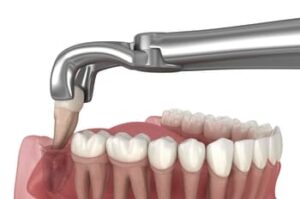
Tooth extraction involves the removal of a tooth from its socket in the bone. This procedure can range from a simple extraction of a visible tooth to more complex surgical extractions, such as removing impacted teeth or dental implants. Regardless of the type, tooth extraction is a form of oral surgery that requires careful post-operative care to promote proper healing and avoid complications.
The healing process after a tooth extraction involves several stages as per dentist in Kellyville, NSW:
- Blood Clot Formation: Immediately after the tooth is extracted, a blood clot forms at the extraction site. This clot is crucial as it protects the underlying bone and nerve endings, preventing infection and facilitating healing.
- Tissue Regeneration: The body regenerates tissue over time, replacing the clot with new gum and bone tissue. This process can take several weeks to months, depending on the individual and the complexity of the extraction.
- Bone Remodeling: In the final stages, the bone around the extraction site undergoes remodeling to achieve its final shape and strength.
Proper healing hinges on maintaining the integrity of the blood clot and minimizing any disruptions to the extraction site. This is where dietary choices, particularly avoiding dairy, become relevant.
Why No Dairy After Tooth Extraction?
The directive to avoid dairy after tooth extraction might seem puzzling, especially given that dairy products like milk, yogurt, and cheese are rich in essential nutrients. However, there are specific reasons why consuming dairy can be problematic during the initial stages of healing:
Risk of Dislodging the Blood Clot
Dairy products, especially those that are creamy or thick, can create a coating in the mouth that might interfere with the formation and stability of the blood clot. Dislodging the blood clot can lead to a painful condition known as a dry socket, where the underlying nerves and bone are exposed. This can result in delayed healing and an increased risk of infection.
Bacterial Growth and Infection
Milk and other dairy products contain lactic acid bacteria, which are generally beneficial for gut health. However, these bacteria can contribute to bacterial growth in the mouth, particularly around the extraction site. This can increase the risk of infection, which is detrimental to proper healing.
Inflammatory Responses
 Some individuals might have mild inflammatory responses to dairy products, which could exacerbate swelling and discomfort after oral surgery. While not everyone is affected this way, it’s a potential risk that dental practitioners advise avoiding.
Potential Allergic Reactions
For those who are lactose intolerant or allergic to dairy, consuming dairy products after a tooth extraction can cause additional complications, such as increased swelling and discomfort, which can hinder the recovery process.
Foods to Avoid and Embrace After Tooth Extraction
In addition to avoiding dairy, several other dietary guidelines can help ensure a smooth recovery after tooth extraction. Here’s a look at what to avoid and what to consume:
Foods to Avoid:
- Sticky and Chewy Foods: Foods like caramel, gummies, and certain candies can stick to the extraction site and dislodge the blood clot.
- Hard and Crunchy Foods: Nuts, chips, and hard bread can irritate the surgical site and impede healing.
- Citrus Fruits: Foods high in acidity, like oranges and lemons, can irritate the healing tissue.
- Spicy Foods: These can cause discomfort and inflammation in the sensitive areas of the mouth.
- Hot Foods and Beverages: Heat can increase blood flow and potentially dislodge the clot, leading to a dry socket.
Foods to Embrace:
- Soft Foods: Opt for foods like mashed potatoes, scrambled eggs, and oatmeal, which are gentle on the surgical site.
- Cold Foods: Ice cream (non-dairy varieties), smoothies, and gelatin can provide soothing relief and minimize swelling.
- Soft Fruits: Bananas and avocados are nutritious options that are easy to consume without irritating the extraction site.
- Meal Replacement Shakes: These can provide essential nutrients without requiring chewing.
- Broth-Based Soups: Ensure they’re lukewarm to avoid irritation while providing hydration and nutrition.
The Role of Nutrition in the Healing Process
Maintaining good nutrition is vital for a swift recovery after tooth extraction. While dairy products are typically rich in calcium and protein, alternative sources of these essential nutrients can be consumed without risking complications.
Protein
Protein is crucial for tissue repair and regeneration. Non-dairy sources of protein include:
- Lean Meats: Chicken and turkey, when cooked soft, can be easily chewed.
- Legumes: Lentils and beans provide protein and can be blended into soups.
- Tofu: This versatile food can be included in many dishes and is soft enough for easy consumption.
Calcium
Calcium is important for bone health, and non-dairy sources include:
- Leafy Greens: Spinach and kale are excellent sources of calcium.
- Almonds: These can be ground into almond butter for easy consumption.
- Fortified Plant Milk: Almond, soy, and oat milk often have added calcium.
Vitamins and Minerals
Essential vitamins and minerals that support the healing process include:
- Vitamin C: Found in soft fruits like mangoes and melons, vitamin C supports collagen formation and tissue repair.
- Zinc: Zinc is essential for immune function and wound healing in beans and nuts.
Post-Extraction Care: Beyond Diet
While diet plays a significant role in recovery, other aspects of post-extraction care are equally important for ensuring a smooth recovery:
Oral Hygiene
Maintaining oral health is crucial during the recovery period. Gentle rinsing with salt water can help keep the extraction site clean without disturbing the blood clot. It’s important to avoid vigorous brushing near the surgical site until it’s fully healed.
Rest and Recovery
 Adequate rest allows the body to focus on healing. Avoid strenuous activities in the days following the extraction to prevent increased blood flow to the head, which can disrupt the clot.
Follow-Up Appointments
Regular check-ins with your dental practitioner are essential to monitor the healing process and address any complications early.
The Importance of Following Dental Practitioner Advice
Every dental procedure is unique, and recovery experiences can vary widely among individuals. Following your dental practitioner’s advice is crucial, as they can provide personalized guidance based on the specifics of your extraction and oral health.
Dental practitioners emphasize avoiding dairy after tooth extraction for valid reasons, including promoting efficient healing. By understanding these guidelines and making informed dietary choices, patients can support their bodies’ natural healing processes and reduce the risk of complications.
Conclusion: A Thoughtful Approach to Recovery
While common, tooth extraction is a significant procedure that requires careful post-operative care. Understanding why dairy is not allowed after tooth extraction and adhering to dietary guidelines can greatly influence healing. Avoiding dairy and other potentially harmful foods helps ensure the blood clot remains intact, preventing complications like dry sockets.
Embracing a diet rich in soft, nutrient-dense foods supports optimal healing and provides the body with the essential nutrients it needs for recovery. Alongside good oral hygiene and rest, these practices can lead to a smoother recovery and a more rapid return to normal activities.
In summary, informed dietary choices greatly aid recovery after a tooth extraction. While it may be tempting to consume dairy products, avoiding them and other potentially harmful foods is a small price for the long-term benefits of proper healing and oral health. By respecting the advice of Burwood dentist at Good Choice Dental and prioritizing your health, you can navigate the recovery period with confidence and ease.
References
https://www.linkedin.com/pulse/how-long-should-i-avoid-dairy-after-tooth-extraction-bhavna-sharma-kcbjc
https://pubmed.ncbi.nlm.nih.gov/34694519/
https://www.colgate.com/en-ca/oral-health/nutrition-and-oral-health/what-to-eat-after-tooth-extraction