


Achieving a beautiful, straight smile through orthodontic treatment is a significant milestone, but the journey doesn’t end when the braces come off, or the Invisalign treatment concludes. Wearing a retainer is one of the most crucial steps in maintaining your perfect smile. This comprehensive guide explores how long do you have to wear a retainer, the different types available, and essential tips to ensure your teeth stay perfectly aligned for years to come.
The Importance of Wearing a Retainer After Orthodontic Treatment
Orthodontic treatments, whether through traditional braces or Invisalign, are designed to correct misaligned teeth and jaws, leading to a healthier, more aesthetically pleasing smile. However, once the braces are removed or the Invisalign aligners are no longer needed, your teeth are vulnerable to shifting back to their original positions. This natural tendency for teeth to move, known as teeth shift, necessitates using retainers to maintain the results of your orthodontic treatment.
Wearing a retainer is a critical phase in the orthodontic process, and it is known as the retention phase. During this time, your teeth stabilize in their new positions, and the surrounding bone and soft tissues adapt to the changes. Without the support of a retainer, the newly aligned teeth can gradually revert, undoing the progress made during your treatment.
Different Types of Retainers
Understanding the various types of retainers available can help you decide which option best suits your needs and lifestyle. The two primary categories of retainers are removable retainers and permanent retainers.
Removable Retainers
Removable retainers offer flexibility and ease of maintenance, allowing you to remove them for eating, drinking, and cleaning your teeth. There are several types of removable retainers:
Hawley Retainers
The Hawley retainer is a traditional type of metal wire that surrounds the teeth and holds them in place. It also includes an acrylic component that rests on the roof of the mouth or behind the lower teeth. Hawley retainers are durable and adjustable, making them a popular choice for long-term retention.
Clear Plastic Retainers (Essix Retainers)
Clear plastic retainers like Essix retainers are nearly invisible and offer a more aesthetic option than Hawley retainers. They are made from clear, flexible plastic that fits snugly over your teeth, making them an excellent choice for those who prefer a discreet appearance.
Plastic Retainers
Plastic retainers are similar to Essix but may vary in thickness and flexibility. They are lightweight and comfortable, effectively maintaining your straight teeth without the bulk of metal components.
Permanent Retainers
Permanent retainers, also known as fixed or bonded retainers, are attached directly to the back of your teeth, usually the bottom or top teeth, to prevent movement. Unlike removable retainers, permanent retainers are fixed in place and do not require daily removal.
Fixed Retainers
Fixed retainers consist of a thin wire bonded to the back of your teeth using a special dental adhesive. They are typically placed on the lower front teeth but can also be used on the upper teeth if necessary. Bonded retainers are highly effective at preventing tooth shifts and are often recommended for individuals who are at a higher risk of their teeth moving after treatment.
How Long Do You Have to Wear a Retainer?
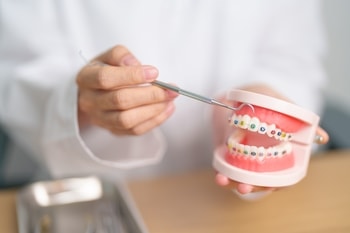 One of the most common questions patients ask is, “How long do you have to wear a retainer?” The answer varies based on individual needs, the severity of the initial misalignment, and the type of retainer prescribed by your orthodontist. However, there are general guidelines to consider during the retention phase.
Initial Retention Period
Typically, after removing braces or completing Invisalign treatment, orthodontists recommend wearing a retainer full-time for a period ranging from a few months to a year. During this initial phase, wearing retainers as directed by your orthodontist’s instructions is crucial to stabilize your teeth in their new positions.
Long-Term Retention
After the initial retention period, the frequency of wearing your retainer may decrease. Many orthodontists suggest transitioning to wearing a retainer at night or for several hours each day. Some patients may need to wear their retainer forever to ensure their teeth remain straight, especially if they are prone to shifting.
Permanent Retainers and Long-Term Use
For those with permanent retainers, such as fixed or bonded retainers, the need for full-time use diminishes since the retainer is always in place. However, regular maintenance and check-ups with your orthodontist are essential to ensure the retainer remains functional and undamaged.
Tips for Wearing and Caring for Your Retainer
Proper care and consistent use of your retainer are vital for maintaining the results of your orthodontic treatment. Here are some essential tips for wearing and caring for your retainer:
Consistency is Key
Adhering to your orthodontist’s guidelines on wearing a retainer is crucial. Consistency ensures the best results if your retainer needs to be worn full-time initially or nightly in the long term.
Use a Retainer Case
Always store your retainer in a retainer case when not in use. This protects it from damage and keeps it clean, especially on the go.
Clean Regularly
Clean your retainer daily using a soft-bristled toothbrush, mild soap, or specialized cleaner. For fixed retainers, use a floss threader to clean around the wire and prevent plaque buildup.
Avoid Heat and Pressure
Protect your retainer from extreme temperatures and avoid applying excessive pressure, which can cause it to warp or break. Please do not leave it in hot environments, such as near a stovetop or in direct sunlight.
The Consequences of Not Wearing Your Retainer
Neglecting to wear your retainer as prescribed can lead to several unwanted outcomes. The most significant is that the teeth shift back to their original misaligned positions. This reversal diminishes the aesthetic benefits of your orthodontic treatment and can also affect your oral health.
Teeth Shift
The periodontal ligaments hold teeth in place and allow them to move. Without the support of a retainer, these ligaments can cause the teeth to drift, resulting in misalignment once again. This can necessitate additional orthodontic treatment to correct the issue, leading to increased time and financial costs.
Retainer Forever?
 While some may worry about needing to wear a retainer forever, it’s important to understand that the duration and necessity of retainer use vary among individuals. Many people find that wearing a retainer at night for an extended period is sufficient to maintain their straight teeth without needing constant use.
Special Considerations
Several factors can influence how long do you have to wear a retainer, including the type of orthodontic treatment you received and your individual dental needs.
After Braces Removed
Once braces are removed, it’s essential to transition into the retention phase with a retainer to preserve the results achieved during treatment. This phase is critical for ensuring your teeth remain in their new positions.
Invisalign Treatment
Individuals who undergo Invisalign treatment will also require retainers post-treatment. Clear plastic retainers or other removable retainers are commonly used with Invisalign, providing a discreet way to maintain teeth alignment.
Maintaining Your Perfect Smile
Maintaining straight teeth and a beautiful smile involves more than wearing a retainer. Good oral hygiene practices, regular dental check-ups, and avoiding habits that can cause teeth to shift are all important aspects of preserving orthodontic results.
Straight Teeth and Beautiful Smile
By consistently wearing your retainer and following your orthodontist’s recommendations, you can enjoy straight teeth and a beautiful smile for years. This enhances your appearance and contributes to better oral health, reducing the risk of cavities, gum disease, and other dental issues.
When to Get New Retainers
Over time, retainers can wear out or become damaged. It’s essential to monitor their condition and seek replacement when necessary. Signs that you need new retainers include visible wear and tear, difficulty fitting them properly, or any signs of damage.
Conclusion
Understanding how long you have to wear a retainer is fundamental to completing your orthodontic journey successfully. Whether you opt for removable retainers like Hawley, clear plastic, or permanent retainers for long-term stability, consistent use and proper care are key to maintaining your straight teeth.
By following your orthodontist’s instructions, using a retainer case for storage, and keeping your retainer clean with a soft-bristled toothbrush, you can ensure your perfect smile remains intact. Remember, while wearing a retainer indefinitely might seem daunting, many find that minimal, consistent use is needed to preserve the beautiful results of their orthodontic treatment.
Embrace the retention phase as an essential step towards a lifetime of confidence and healthy, straight teeth. With the right retainer and diligent care, your beautiful smile will be yours to cherish forever.
References
https://www.healthline.com/health/retainers-after-braces
https://www.colgate.com/en-us/oral-health/early-orthodontics/how-long-do-you-have-to-wear-a-retainer
https://www.byte.com/community/resources/article/how-long-wear-retainer?srsltid=AfmBOorx77mZ47ySke8zGyQO_tzf31rICHjlU3fJhrocfmJF208qvvSM